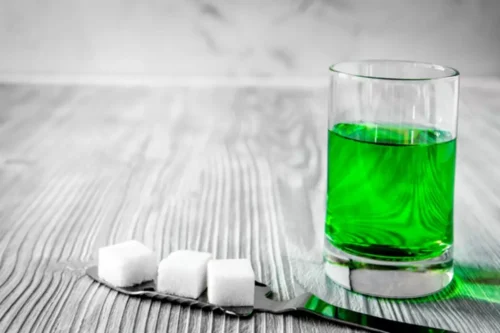
Why Do I Get Sneezing Fits When Drinking Alcohol

Problems in the immune system cause an alcohol allergy to develop, while genetic problems in the digestive system tend to cause alcohol intolerance. These problems make it difficult for the body to break down alcohol properly. This is likely because wine contains histamines, which trigger allergies.
can alcohol cause sneezing

Is Fitness Your Way Included In Highmark Community Blue?

Alcohol-induced sneezing is a peculiar phenomenon that affects a small percentage of individuals. While the exact cause is not fully understood, several theories attempt to explain why some people experience this reaction. In this article, we will explore the possible reasons behind why you may sneeze after drinking alcohol. A few alcohols are less likely to trigger symptoms in people with alcohol intolerance. However, if you have alcohol intolerance, you must talk to your doctor about which alcohols are best for you to drink.

How common is alcohol allergy?

Drinking plenty of water, limiting and slowing down alcohol consumption, and eating before drinking can help to reduce the vasodilation effects of alcohol. Tannins are natural compounds found in many plants, including the skins, seeds, and stems of grapes. These are what give wine its bitterness, mouthfeel, and complex flavours, as they seep into the wine during the winemaking process.

Fuel groundbreaking medical research!

  • Alcohol causes an increased permeability in cells, making it easier for undigested particles to enter the bloodstream and causing inflammation.
  • If this sound like you or someone you know, be sure to be mindful of foods like aged cheese, bread, and other fermented products like cider that can contain histamines as well.
  • It is important to note that a food allergy is the immune system’s response to a food protein that the body perceives as harmful.
  • Alcohol-induced sneezing is a peculiar phenomenon that affects a small percentage of individuals.
  • If someone believes they have an alcohol allergy or intolerance, they should stop drinking alcoholic drinks and visit their healthcare provider for testing and advice.
  • For persistent sneezing or other symptoms related to beer consumption, seeking medical advice may be necessary.

Drinking plenty of fluids will help to thin out the mucus in your nose and make it less likely to trigger a sneeze. Alcohol poisoning can lead to life-threatening complications, including choking and respiratory failure. It is crucial to recognize the symptoms early and provide appropriate help, as the condition can escalate rapidly. Understanding the varying stages of intoxication—ranging from sobriety to severe impairment—can aid in identifying when someone requires urgent care to prevent further health deterioration. While some foods are broken down in the intestines, others are digested in the stomach. Alcohol does not need to pass through the digestive tract in order to be digested; rather, it is absorbed directly into the blood stream.

Not-so-Happy Hour: The Link Between Alcohol & Allergies

Sulfites are used as a preservative in wine and other alcoholic beverages, but can lead to an adverse reaction in some people. Symptoms of this kind of allergy include sneezing, itching, hives and difficulty breathing. can alcohol cause sneezing Red wines, for example, tend to have higher levels of histamines than white wine or beer. If you find that drinking these beverages triggers an allergic reaction, then it’s important to limit your intake and switch to lower-histamine alternatives. Another helpful tip is to opt for histamine-low foods, such as fresh fruits and vegetables, or fermented products like yogurt or kefir.

can alcohol cause sneezing

When to speak with a doctor

They occur when our immune system mistakenly identifies these harmless foreign substances as a threat. Nonallergic rhinitis most often doesn’t cause an itchy nose, eyes or throat. However, it is difficult to avoid pollen, lime trees, or grasses in the long run, so it is worth considering desensitization treatment. This will permanently immunize us from tiring sneezing and other allergic symptoms. An allergist specialist can offer this type of help after performing appropriate tests and determining exactly what alcohol rehab the allergy is.


Alcohol and Longevity: How Does Drinking Affect Lifespan?

Alcoholics were 27 times as likely to die from liver cirrhosis, with approximately 1 in 3 alcoholics dying from this condition. However, it is worth noting that the rates of death from injury and poisoning were not significantly higher compared to the general population. Studies have shown that individuals with alcohol use disorder, especially those with long-term and severe alcohol dependency, tend to have lower life expectancies compared to the general population. According to research conducted in Denmark, Finland, and Sweden, individuals with alcohol use disorder had a life expectancy 24–28 years shorter than the general population. This significant difference in life expectancy highlights the detrimental effects of chronic and severe alcoholism on overall health.

Supportive Relationships and Their Impact on Life Expectancy

Each program provides different levels of support, incorporating detox, therapy, and aftercare to promote sustained recovery. Detoxing from alcohol at home includes consulting with a healthcare provider, setting up a supportive environment, managing withdrawal symptoms, and reaching out for professional assistance if necessary. Inpatient rehab offers 24/7 care, structured therapy, and a supportive environment, helping individuals build resilience and strategies for lasting recovery and wellness.

Seek Support

average life expectancy of alcoholics

By seeking help, individuals can take steps towards improving their overall health and well-being, potentially prolonging their life expectancy. Alcohol consumption can have a profound impact on https://inobra.ar/2022/06/02/can-an-alcoholic-ever-drink-normally-again/ individuals with pre-existing health conditions, potentially exacerbating their ailments and reducing life expectancy. Regular alcohol intake in those over 60 can lead to an increased risk of early death, particularly from cancer or cardiovascular issues.

  • It is essential to seek early intervention and support to mitigate the negative consequences on relationships and emotional health.
  • Here in the United States, death rates linked to long-term alcohol abuse are on the rise.
  • Death is usually caused by a combination of internal bleeding and a buildup of toxins within the body and can include seizures and/or cardiac arrest.

Men vs. Women

average life expectancy of alcoholics

Understanding these factors can help individuals with AUD and their healthcare providers assess the potential impact of alcoholism on their overall health and life expectancy. It is important to note that seeking treatment, making lifestyle changes, and addressing co-occurring conditions can improve an individual’s health outcomes and increase their life expectancy. Understanding these influencing factors is crucial in predicting the potential impact of alcoholism on an individual’s life span. By addressing these factors through appropriate interventions and support systems, individuals struggling with alcoholism can improve their overall health outcomes and potentially increase their life expectancy. Understanding the factors that influence life expectancy how do some alcoholics live so long in individuals struggling with alcoholism is essential for comprehending the impact this disease can have on one’s overall health and well-being.

Research has shown that the life expectancy of individuals with alcohol use disorder can be significantly shorter compared to those without the disorder. However, it’s important to note that individual circumstances and factors such as co-occurring medical conditions and lifestyle choices can further influence life expectancy. The study also highlighted that mortality rates are relatively higher in women, younger people, and those in treatment for addiction.

While moderate alcohol consumption may have some protective effects against coronary heart disease, heavy drinking can lead to a variety of health problems. These risks include liver disease, cardiovascular disorders, various types of cancer, mental health disorders, and increased susceptibility to infectious diseases 5. Prolonged and excessive alcohol consumption can lead to various health complications, including liver disease, cardiovascular problems, digestive issues, and compromised immune function. These physical ailments can significantly reduce the quality of life and shorten the life expectancy of individuals battling alcohol addiction.

average life expectancy of alcoholics

Understanding these risks is crucial in addressing and preventing AUD and its devastating effects. According to studies, the average lifespan of alcoholics is notably shorter than that of non-alcoholics. The long-term effects of alcohol abuse can lead to various health complications, contributing to premature death. The presence of co-occurring conditions, such as liver disease or mental health disorders, can also significantly impact the life expectancy of individuals with AUD. Making informed decisions about alcohol consumption is essential for maintaining optimal health.

The benefits of exercise in addiction recovery

The authors of the study didn’t find a correlation between light drinking (seven weekly drinks or less) and reduced lifespan. Researchers adjusted the study for age, gender, smoking status and health issues like diabetes. They found no evidence to support the notion that light consumption of red wine can improve heart health. Alcohol-related mortality, which refers to deaths directly caused by alcohol consumption, has been extensively studied. Over 80 Substance abuse studies have examined the relationship between the average volume of alcohol consumption and alcohol-related mortality.

Alcohol-Associated Liver Disease: Causes & Symptoms

alcoholic liver disease

Eosinophilic fibrillar material (Mallory hyaline or Mallory-Denk bodies) forms in swollen (ballooned) hepatocytes. Severe lobular infiltration of polymorphonuclear leukocytes (neutrophils) is abundantly present in this condition in contrast to most other types of hepatitis where mononuclear cells localize around portal triads. On average, 1 in 3 people with the most advanced stage of liver disease and cirrhosis are still alive after 2 years. When the body can compensate and manage cirrhosis, the typical lifespan is 6–12 years.

  • Between 1999 and 2016, the number of U.S. deaths caused by cirrhosis—or end-stage liver disease—rose more than 10% each year among people aged 25 to 34 years, due to rising rates of alcohol-related liver disease.
  • Females are more susceptible to the negative effects of alcohol, even at the same levels of alcohol intake as males, so are more likely to quickly develop fibrosis, inflammation, and liver injury as a result of alcohol.
  • The clinical definition of alcoholic hepatitis is a syndrome of liver failure where jaundice is a characteristic feature; fever and tender hepatomegaly are often present.
  • Getting adequate proteins, calories, and nutrients can alleviate symptoms, improve quality of life, and decrease mortality.

Alcoholic Liver Cirrhosis

Treatments can reverse some forms of liver disease, but alcohol-related cirrhosis usually can’t be reversed. However, a doctor can recommend treatments that may slow the disease’s progression and reduce symptoms. People who are female also have a higher chance of developing alcohol-related liver disease than people who are male.

alcoholic liver disease

Treatment for End-Stage Alcoholic Liver Disease

In the liver of the ob/ob mice demonstrating marked signs of hepatic IR, the activity of ADH was significantly lower than in lean controls99. In line with these findings, alcoholic liver disease in rats the activity of ADH was significantly reduced in diabetic models as well as in animals fed by high-carbohydrate, fat-free diet100. Only in the US, an estimated 80.19 million individuals have SLD. Among them, MetALD affects approximately 21.9–33.05 million people and about 5.33 million have clinically significant fibrosis28,29. In comparison, MASLD impacts 44.9–45.93 million people and pure ALD 5.9 million adults28. In general, MetALD is a grey area in the hepatology field with a huge unmet need for preclinical and clinical studies and there are many urgent questions that require to be answered.

What are possible complications of alcohol-associated liver disease?

alcoholic liver disease

The prognosis for liver failure is poor and requires immediate treatment, often in the intensive care unit. Alcoholic hepatitis occurs when the liver becomes damaged and inflamed. Symptoms include fever, jaundice (yellowing of the skin), malnourishment, swelling, and accumulation of fluid around the liver. Research is ongoing on medications that might be able to https://ecosoberhouse.com/ reverse cirrhosis. Still, it’s likely going to take time and many clinical trials before any drug is found to be successful and can enter the market. Reasons may include a shortage of organs, the difficulty of the procedure, and concerns that you may experience an alcohol misuse relapse after the transplant.

  • The disease is most common in people between 40 and 50 years of age.
  • Fatty liver is usually diagnosed in the asymptomatic patient who is undergoing evaluation for abnormal liver function tests; typically, aminotransferase levels are less than twice the upper limit of normal.
  • If iron has accumulated in the liver or if people have had hepatitis C for more than 6 months, the risk of liver cancer (hepatocellular carcinoma) is increased.
  • Genetic makeup is thought to be involved because alcohol-related liver disease often runs in families.

Diagnosis of Alcohol-Related Liver Disease

Antirejection medications after transplant can increase the risk of serious infections and certain cancers. Eating a healthy diet, getting regular exercise, and avoiding liver-damaging foods such as fried foods, can also help the liver heal during treatment. In some cases, supplementation with vitamins may be recommended. While the early stages may have no symptoms, later stages can cause symptoms such as fatigue, swelling in the hands and legs, jaundice, loss of appetite, and weakness. Most people will not experience symptoms in the early stages of ALD. Some may experience mild pain in the upper right side of the abdomen.

alcoholic liver disease

Complications of alcohol-related liver disease

Such as, study by Sttockwell et al. clearly indicated that 28.6% of patients thought to have NAFLD were in danger of liver damage caused by alcohol33. According to EASL and WHO a unit of “pure” alcohol corresponds to 10 g of ethanol, which can be the amount contained in a half pint beer or a spirit shot. A standard glass of wine or a pint lager will be equivalent to 2 alcohol units. A daily alcohol consumption of 2–5 units for woman or 3–6 units for men will trigger MetALD in patients with MASLD (fatty liver plus at least one cardiometabolic risk factor) due to bad dietary habits.

alcoholic liver disease

For patients with decompensated alcoholic cirrhosis who undergo transplantation, survival is comparable to that of patients with other causes of liver disease with a 5-year survival of approximately 70%. The classic histologic features of alcoholic hepatitis include inflammation and necrosis, which are most prominent in the centrilobular region of the hepatic acinus(Figure 2). Hepatocytes are classically ballooned, which causes compression of the sinusoid and reversible portal hypertension. The inflammatory cell infiltrate, located primarily in the sinusoids and close to necrotic hepatocytes, consists of polymorphonuclear cells and mononuclear cells. Neither fatty infiltration nor Mallory bodies are specific for alcoholic hepatitis or necessary for the diagnosis.

Other risk factors

The deleterious effect of smoking on the progression of liver fibrosis is particularly pronounced in regular alcohol consumers. There is a clear need to perform both retrospective and prospective large cohort studies to explore this particular synergism in the context of MetALD. However, it is not reliable for identifying repeated moderate alcohol consumption and is not accurate for patients with advanced liver disease37. Still, around 10 to 20% of people who develop alcohol-related fatty liver disease go on to develop cirrhosis. People with alcohol-related cirrhosis tend to have a less favorable prognosis, in part because the liver scarring cannot be reversed and additional complications may develop. For these patients, a liver transplant is often the best option.

  • In general, the more severe the ALD, the more malnourished someone becomes.
  • It may start with fatty liver disease, progressing to alcohol-related hepatitis, and then to alcohol-related cirrhosis.

Corticosteroids can help relieve severe liver inflammation and are safe to use if people do not have an infection, bleeding in the digestive tract, kidney failure, or pancreatitis. Because abstinence is difficult, several strategies are used to help motivate people and to help them change their behavior. Therapies that explore and help people clarify why they want to abstain from alcohol (called motivational enhancement therapy) may also be used.

What is the outlook for people with alcohol-related liver disease?

Absolute abstinence from alcohol is crucial for preventing disease progression and complications. Sobriety is difficult to achieve without a rehabilitative program run by specialized staff. Psychological care is needed to act on the causes of alcohol addiction, and this may require the help of the patient’s family. drug addiction Personal and psychosocial factors are also important because excessive drinking is related to depression and other psychological diseases. Not smoking and controlling body weight are significant lifestyle changes people can make to further reduce the risk. The guidelines classify moderate drinking up to one drink a day for females, and up to two drinks for males, and only over the age of 21 years.

Alcohol-Related Liver Disease: Symptoms, Treatment and More

alcoholic liver disease

When cirrhosis progresses to end-stage alcoholism liver disease, a liver transplant may be needed. Liver transplantation for alcoholic liver disease is only considered in people who have completely avoided alcohol for 6 months. Patients with alcoholic hepatitis are prone to infections, especially when on steroids; this is particularly important as it might lead to a poor prognosis, acute renal injury, and multi-organ dysfunction. Patients with alcoholic hepatitis are at risk of alcohol withdrawal. Lorazepam and oxazepam are the preferred benzodiazepines for prophylaxis and treatment of alcohol withdrawal.

The intersection between alcohol-related liver disease and nonalcoholic fatty liver disease

alcoholic liver disease

You may need a medically supervised detox program to safely quit https://ecosoberhouse.com/ drinking and manage withdrawal symptoms. You may get an ultrasound, computerized tomography (CT) scans, or magnetic resonance imaging (MRI). But they can’t tell whether you have simple fatty liver or MASH. There are some tests that can show whether you have fibrosis by measuring the stiffness of your liver.

  • Avoiding alcohol, maintaining a healthy diet, and getting medical advice on physical activity, supplements, and protein intake can help support liver health in individuals with ALD.
  • Additionally, the updated terminology demonstrates a better understanding of the underlying pathophysiology of the disease as metabolic dysfunction is central to the disease pathogenesis.

Alcoholic Liver Disease

  • Overall, limiting alcohol intake in women with SLD, may be crucial as part of efforts to mitigate mortality risk41.
  • Alcohol-related liver disease is liver damage caused by drinking too much alcohol for a long time.
  • Risk may be increased in women because their digestive system may be less able to process alcohol, thus increasing the amount of alcohol reaching the liver.
  • A doctor removes a sample of tissue from your liver and sends it to a lab to see if you have liver inflammation or damage.
  • Older research highlighted in a 2024 literature review indicates that 90% to 95% of people who drink heavily develop fatty liver disease, or steatosis, in which fat builds up in the liver and other organs.

When the liver tissue starts to scar, the liver doesn’t work as well as before. As a result, the body can’t produce enough proteins or filter toxins out of the blood as it should. An test called transient elastography, which uses an ultrasound or magnetic resonance imaging, measures the stiffness of the liver, which can aid in diagnosing cirrhosis. In the United States, the consumption of alcohol is often woven into the fabric of social life. Close to 90% of adults in the United States have had an alcoholic beverage at some point in their life, and when asked about their drinking habits, around 55% report having had a drink within the past month.

alcoholic liver disease

History and Physical

Fatty liver is usually diagnosed in the asymptomatic patient who is undergoing evaluation for abnormal liver function tests; typically, aminotransferase levels are less than twice the upper limit of normal. Characteristic ultrasonographic findings include a hyperechoic liver with or without hepatomegaly. Computed tomography (CT) and magnetic resonance imaging (MRI) can readily detect cirrhosis. On MRI, special features may be present with ALD including increased size of the caudate lobe, more frequent visualize of the right hepatic notch, and larger regenerative nodules. Liver biopsy is rarely needed to diagnose fatty liver in the appropriate clinical setting, but it may be useful in excluding steatohepatitis or fibrosis. The clinical definition of alcoholic hepatitis is a syndrome of liver failure where jaundice is a characteristic feature; fever and tender hepatomegaly are often present.

alcoholic liver disease

Even if examination and test results suggest alcohol-related liver disease, doctors periodically check for other forms of liver disease that can be treated, especially viral hepatitis. Other causes of liver problems may coexist and, if present, must be treated. Liver cancer develops in 10 to 15% of people with cirrhosis due to alcohol abuse. Heavy drinking can make the bands of fibrous tissue in the palms tighten, causing the fingers to curl (called Dupuytren contracture), and make the palms look red (called palmar erythema). Small spiderlike blood vessels (spider angiomas) may appear in the skin of the upper body. Salivary glands in the cheeks may enlarge, and muscles may waste away.

People may become undernourished because drinking too much alcohol, which has calories but little nutritional value, decreases the appetite. Also, the damage caused by alcohol can interfere with the absorption and processing of nutrients. People may have deficiencies of folate, thiamin, other vitamins, or minerals.

  • Patients with alcoholic hepatitis are at risk of alcohol withdrawal.
  • It doesn’t always cause symptoms, but you may have pain or discomfort on the upper right side of your belly.
  • Granulocyte-colony stimulating factor has been proposed as an agent to stimulate liver regeneration in patients with alcoholic hepatitis by promoting migration of bone marrow derived stem cells into the liver.
  • With complete alcohol avoidance and time to recover, the liver can often heal some of its damage from alcohol, allowing you to return to a normal life.
  • This requirement theoretically has a dual advantage of predicting long-term sobriety and allowing recovery of liver function from acute alcoholic hepatitis.

Understanding alcohol-associated liver damage

alcoholic liver disease

The consumption of alcohol in quantities and patterns that lead to health problems, which can include chronic daily drinking and/or binge drinking13. In the past few years, alcohol consumption habits have changed, and the phenomenon of drinking too much too fast, termed binge drinking, is growing in Western countries, especially in the UK and northern Europe24. The most widely used definition of binge drinking is the consumption of five or more drinks for men and four or more drinks for women in about 2 h on alcoholic liver disease a single occasion or day25. It is important to note that subjects with SLD who had binge drinking for at least 13 days/year had a significantly increased risk of liver-related hospitalizations and mortality27 independent of average daily alcohol intake. Although monthly and less-than-monthly binges also displayed heightened risk estimates, the effect became statistically significant for weekly binge drinking27.

What Is Alcoholic Ketoacidosis? The Impact of a Buildup of Ketones in Your Blood

alcoholic ketoacidosis

If the vomiting and starvation go on for a day or more, the liver’s normal stores of sugar (glucose) decrease. The low glucose stores combined with lack of food intake cause low blood glucose levels. Without insulin, most cells cannot get energy from the glucose that is in the blood. Cells still need energy to survive, so they switch to a back-up mechanism to obtain energy. Fat cells begin breaking down, producing compounds called ketones. Ketones provide some energy to cells but also make the blood too acidic (ketoacidosis).

alcoholic ketoacidosis

How Is Alcoholic Ketoacidosis Treated?

Patients who appear significantly ill and those with positive ketones should have arterial blood gas and serum lactate measurements. If you have symptoms of alcoholic ketoacidosis, your doctor will perform a physical examination. They will also ask about your health history and alcohol consumption. If your doctor suspects that you’ve developed this condition, they may order additional tests to rule out other possible conditions. After these test results are in, they can confirm the diagnosis.

Differential diagnosis

Neurologically, patients are often agitated but may occasionally present lethargic on examination. Alcohol withdrawal, in combination with nausea and vomiting, makes most patients agitated. However, if an AKA patient is lethargic or comatose, an alternative cause should be sought. The majority of papers detected by this search focus primarily on alcoholic ketoacidosis diabetes mellitus and its complications, and were excluded. General literature reviews, single case reports, and letters were also excluded.

Alcoholic Ketoacidosis Symptoms

  • When this happens, it can cause ketones, which are acids, to build up in your blood.
  • Toxicity from methanol or ethylene glycol is an important differential diagnosis.
  • The major cause of morbidity and mortality in patients diagnosed with AKA is under-recognition of concomitant diseases (that may have precipitated the AKA, to begin with).
  • The accompanying lack of alcohol in the patient’s body and the fact that for some time, the only source of calories that a patient has is ethanol both contribute to the clinical syndrome that we see.
  • The prognosis for alcoholic ketoacidosis is good as long as it’s treated early.
  • Prolonged vomiting leads to dehydration, which decreases renal perfusion, thereby limiting urinary excretion of ketoacids.
  • For unconscious patients with taking SGLT-2 inhibitors, commonly testing the level of ketones and magnetic resonance imaging of the brain are essential.

Initial IV fluids should contain added water-soluble vitamins and magnesium, with potassium replacement as required. Lactic acid levels are often elevated because of hypoperfusion and the altered balance of reduction and oxidation reactions in the liver. Intravenous benzodiazepines can be administered based on the risk of seizures from impending alcohol withdrawal.

What to Know About Alcoholic Ketoacidosis

alcoholic ketoacidosis

This results in a decrease in circulating lactic acid and an increase in acetoacetate. Alcoholic ketoacidosis (AKA) is a condition seen commonly in patients with alcohol use disorder or after a bout of heavy drinking. It is a clinical diagnosis with patients presenting with tachycardia, tachypnea, dehydration, agitation, and abdominal pain. This activity illustrates the evaluation and treatment of alcoholic ketoacidosis and explains the role of the interprofessional team in managing patients with this condition.

Treatment

  • They attributed this to the administration of therapy (intravenous dextrose) rather than the withdrawal of the toxin, ethanol.
  • This results in a decrease in circulating lactic acid and an increase in acetoacetate.
  • Jenkins et al2 suggested that alcohol induced mitochondrial damage might account for AKA.

Management is based Alcoholics Anonymous around exclusion of serious pathology and specific treatment for AKA where it is present. A possible link between AKA and sudden death in chronic alcoholism has been proposed but remains unconfirmed. Toxicity from methanol or ethylene glycol is an important differential diagnosis.

Larger studies by Fulop and Hoberman5 and Wrenn et al6 (24 and 74 patients, respectively) clarified the underlying acid base disturbance. Although many patients had a significant ketosis with high plasma BOHB levels (5.2–14.2 mmol/l), severe acidaemia was uncommon. In the series from Fulop and Hoberman, seven patients were alkalaemic. During starvation, there is a decrease in insulin secretion and an increase in the production of counter-regulatory hormones such as glucagon, catecholamines, cortisol, and growth hormone.

Diagnosis of Alcoholic Ketoacidosis

  • If you or someone else has symptoms of alcoholic ketoacidosis, seek emergency medical help.
  • Excessive alcohol consumption often causes malnourishment (not enough nutrients for the body to function well).
  • Lactic acidosis occurs when ethanol metabolism results in a high hepatic NADH/NAD ratio, diverting pyruvate metabolism towards lactate and inhibiting gluconeogenesis.
  • Limiting the amount of alcohol you drink will help prevent this condition.
  • Diagnosis is by history and findings of ketoacidosis without hyperglycemia.
  • You should also follow all of your doctor’s recommendations to ensure proper nutrition and recovery.

Your doctor and other medical professionals will watch you for symptoms of withdrawal. When your body burns fat for energy, byproducts known as ketone bodies are produced. If your body is not producing insulin, ketone bodies will begin to build up in your bloodstream. This buildup of ketones can produce a life-threatening condition known as ketoacidosis.

alcoholic ketoacidosis

alcoholic ketoacidosis

Catecholamines, particularly epinephrine, increase fatty acid release and enhance the rate of hepatic ketogenesis. Alcoholic ketoacidosis is a complication of alcohol use and starvation that causes excess acid in the bloodstream, resulting in vomiting and abdominal pain. Typically, an alcohol binge leads to vomiting and the cessation of alcohol https://ecosoberhouse.com/ or food intake for ≥ 24 hours. During this period of starvation, vomiting continues and abdominal pain develops, leading the patient to seek medical attention. One complication of alcoholic ketoacidosis is alcohol withdrawal.